
Is It Too Late to Learn Guitar After 60? The Science of Musical Longevity
David Dunavant
Its not too late at all!
A common question I hear at my studio in Little Rock is: "Am I too old to start?" The answer is a definitive no. In fact, starting guita r in your 60s, 70s, or even 80s might be the perfect time to engage with a new craft. While society often views music as a young person’s game, the reality of modern neuroscience and pedagogical research tells a different story.
Understanding the Aging Brain: Neuroplasticity vs. Experience
It is a biological fact that younger players have an advantage in terms of raw neuroplasticity. Up to around age 25, the brain is like a sponge, rapidly forming new neural pathways for motor skills and memory. However, the "Street Guitar" curriculum is designed to bridge the gap for the adult learner.
While a teenager might learn a chord shape faster, an older adult brings superior executive function. You have the ability to focus, the patience to follow a structured curriculum, and a desire to learn for the right reasons—personal fulfillment rather than social status. In my experience at the Little Rock Music Academy, my students over 60 often progress more consistently because they understand the value of a "slow and steady" approach.
The Physical Benefits: Combatting Arthritis and Improving Coordination
One of the primary concerns for older students is physical limitation. However, guitar is actually a form of "occupational therapy" that you can do from your living room.
- * Arthritis Management: Controlled, repetitive movement of the fingers can help maintain joint flexibility. By focusing on correct mechanics from day one—a cornerstone of the Street Guitar method—we ensure that you are not straining your hands.
- * Hand-Eye Coordination: Synchronizing the fretting hand with the picking hand is one of the best ways to keep your motor skills sharp.
- * Grip Strength: Regular practice helps maintain the intrinsic muscles of the hand, which is vital for daily tasks as we age.
Cognitive Longevity: Music as a Shield Against Decline
Learning an instrument is one of the few activities that engages the entire brain. When you sit down for a lesson with me, you are engaging in a high-level cognitive workout:
- * Mathematical Processing: Understanding rhythm and timing.
- * Language Processing: Reading music literacy and "Street Guitar" theory.
- * Emotional Regulation: Reducing stress and cortisol levels through creative expression.
Research suggests that learning a new, complex skill like the guitar can help offset the effects of age-related cognitive decline. It forces the brain to "rewire" itself, creating a cognitive reserve that supports memory and mental clarity.
The Street Guitar Advantage for Retirees
My 80/20 student split (80% adults) means my studio is built for your lifestyle. I understand that you aren't looking to tour the world in a van; you want to play the songs you've loved for decades with professional-level proficiency.
The "20-Song System" is particularly effective for students over 60. We take the classics—the rock, pop, and blues that defined your life—and use them as the vehicle for your technical development. Instead of boring nursery rhymes found in generic beginner books, you will be learning the "why" behind your favorite artists. This keeps motivation high and makes the "work" of practicing feel like a reward.
Overcoming the "Gatekeeper" Myth
Many older adults feel intimidated by the "academic" side of music. They feel like they missed the boat on learning theory. My Master of Music in Jazz allows me to take complex concepts and translate them into "Street Guitar" logic. There is no gatekept information here. We focus on music literacy and correct mechanics so that you aren't just memorizing finger spots, but actually understanding the language of the instrument.
Joining the Little Rock Music Community
Learning guitar after 60 also provides a vital social connection. Central Arkansas has a vibrant music scene, and many of my older students find a second wind by performing for friends, family, or even at local open mics. Being a "talented performer" isn't reserved for the teenagers; it is a title you can earn at any age.
Frequently Asked Questions About Learning Guitar After 60
- Is it really possible to learn guitar after 60?
Yes. With structured instruction and consistent practice, adults over 60 can successfully learn guitar and make steady progress. - Is learning guitar harder at this age?
Learning may be different than in youth, but adults bring focus, patience, and discipline that often lead to consistent improvement. - Do I need prior musical experience?
No prior experience is required. The Street Guitar curriculum is structured for beginners as well as returning players. - Where are lessons located?
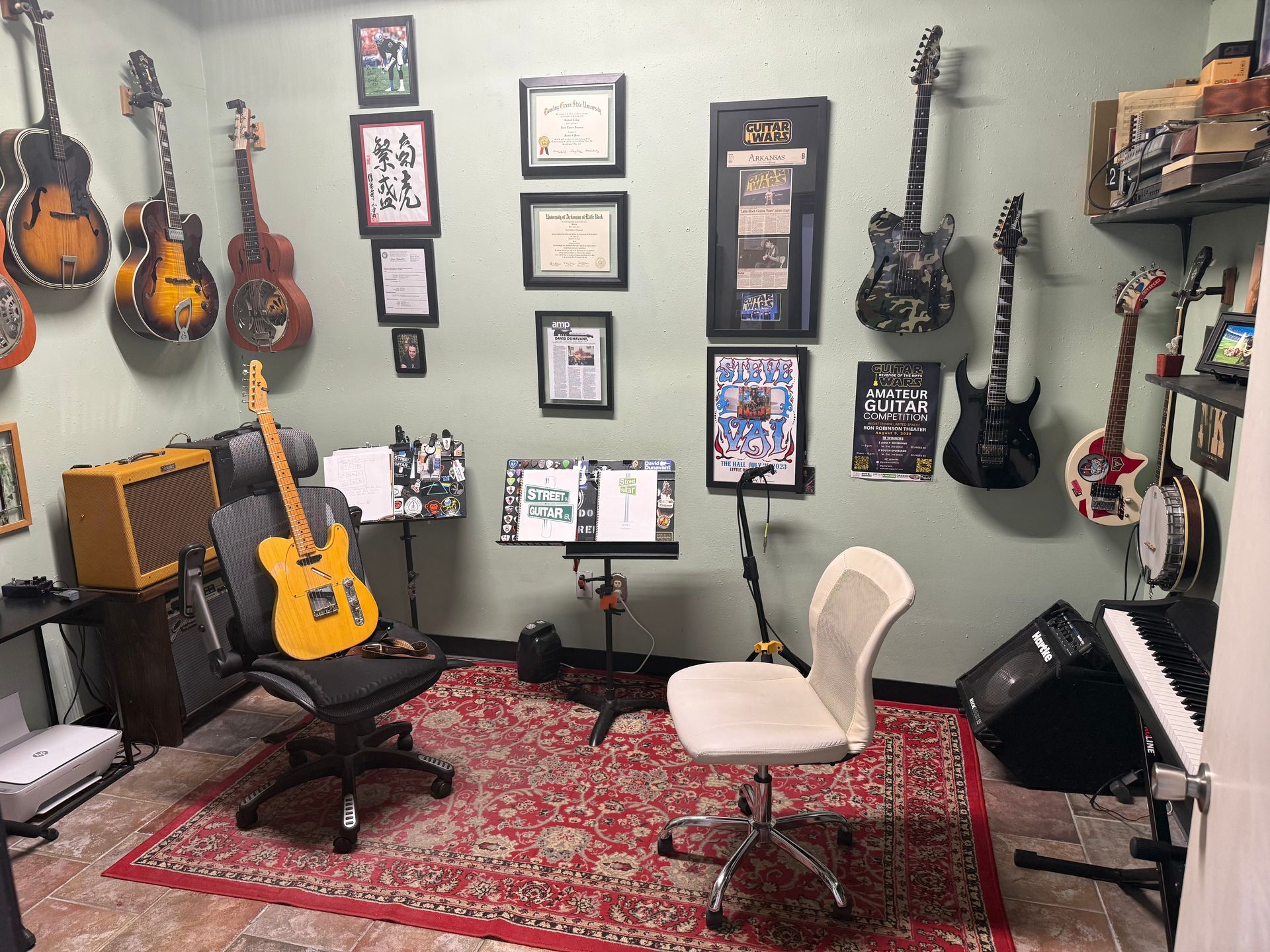
Lessons are held at Little Rock Music Academy, 11220 North Rodney Parham Road, Little Rock, AR 72212.
Conclusion: It Is Never Too Late for Mastery
Whether you are looking for a serious hobby to fill your retirement years or a way to keep your mind and hands sharp, the guitar is a smart and fulfilling choice. At my studio on N Rodney Parham Rd, I provide the structure, the professional mechanics, and the encouragement you need to succeed.
Stop wondering if you've waited too long. Let’s build your custom path to the guitar today.
Guitar Lessons with David Dunavant
Little Rock Music Academy
11220 North Rodney Parham Road
Little Rock, AR 72212
Phone: +1-501-291-1171
The Highest-Rated Private Instructor in Central Arkansas
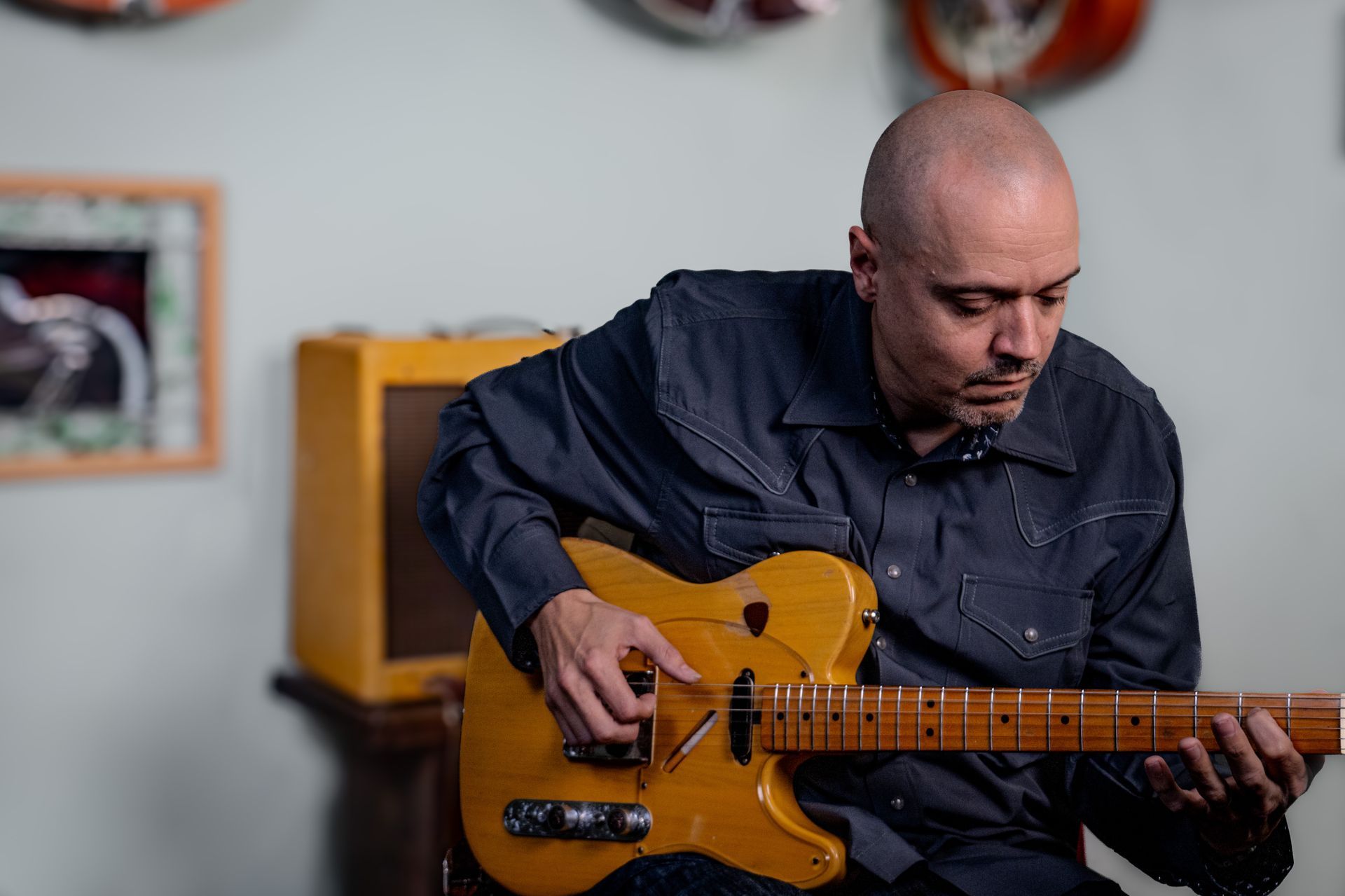
David Dunavant teaches adult guitar in Little Rock using the Street Guitar curriculum. Real structure, real technique, applied to the music you actually love.
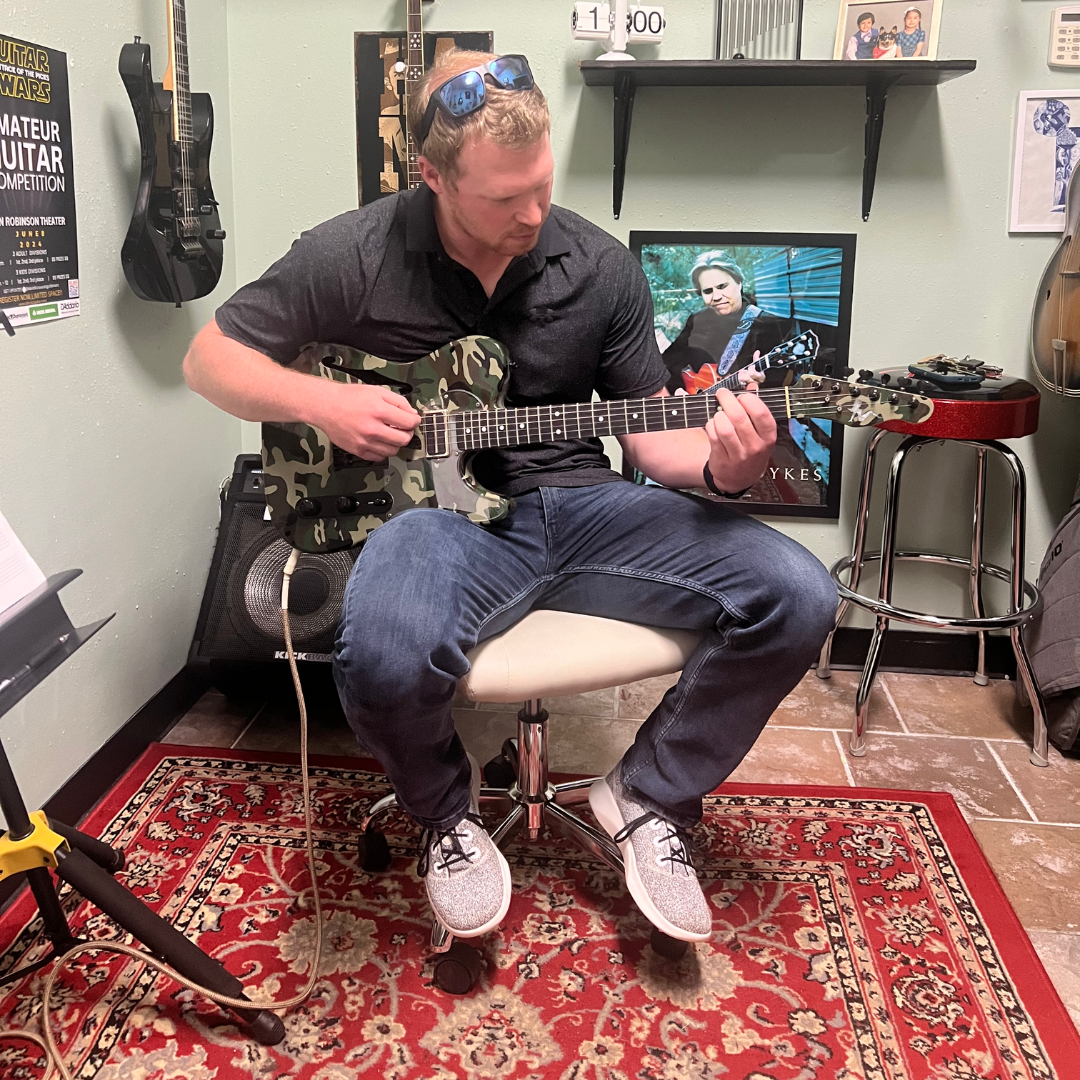
Unlock your potential with adult-first guitar lessons in Little Rock. David Dunavant specializes in teaching adults and performers with his Street Guitar method.
Boost your memory and cognitive function through guitar. David Dunavant explains why guitar is the ultimate mental workout for adults and seniors in Little Rock.
Start playing in minutes. David Dunavant explains what to expect in your first 30-minute Street Guitar lesson in Little Rock, focusing on technique and momentum.
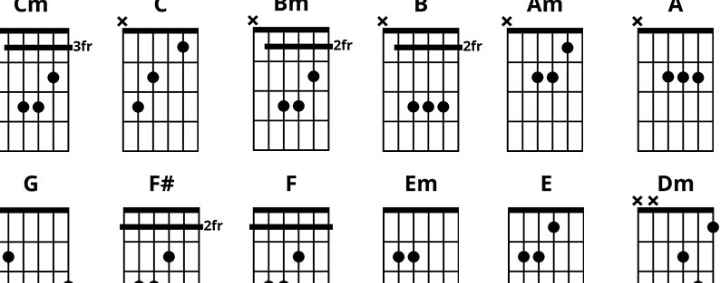
Master guitar TAB with professional mechanics. David Dunavant explains what TAB is missing and how to develop elite technique and music literacy in Little Rock.
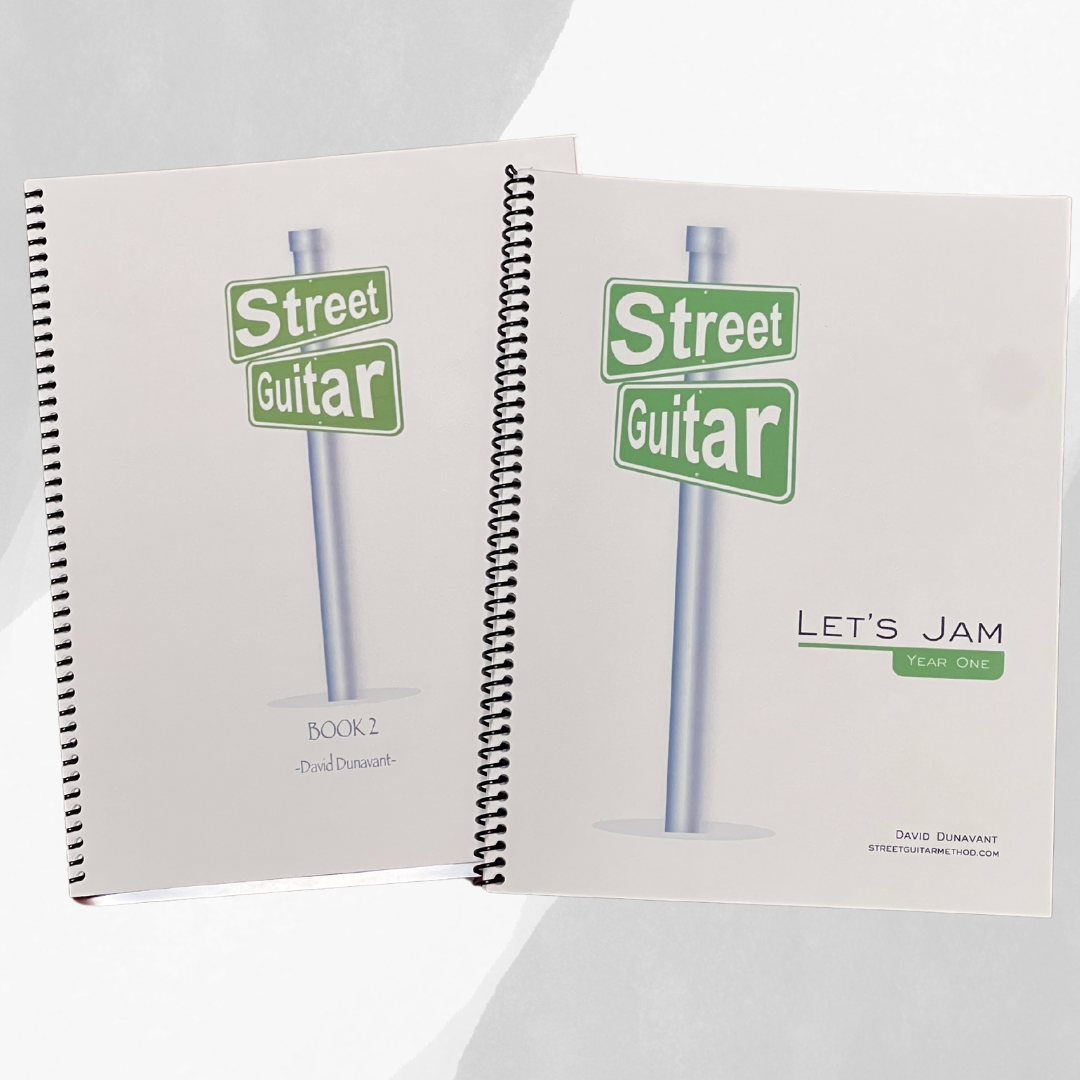
Discover Street Guitar with David Dunavant. A customized curriculum for adults in Little Rock that combines professional mechanics with the music you love.
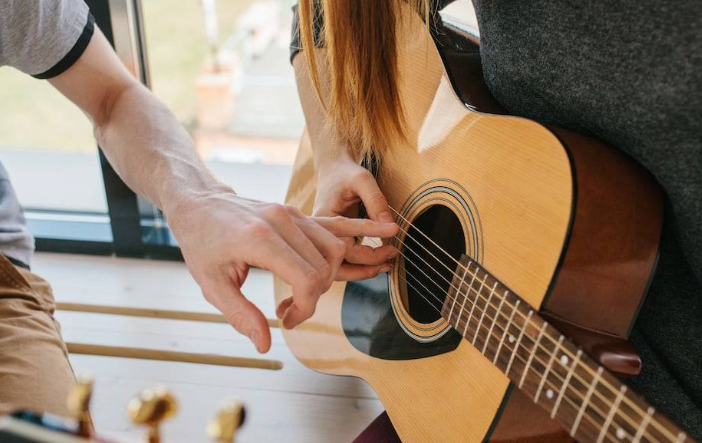
Starting guitar for the first time or stuck in a plateau? David Dunavant offers expert guitar lessons in Little Rock to help you build or refine your technique.
Master any style with David Dunavant. From rock and metal to M.M. degree-level Jazz and Classical guitar, get professional mechanics for the music you love.
No pressure lessons! David Dunavant offers adult-first guitar lessons in Little Rock with options for private study, jam sessions, or the Guitar Wars competition.
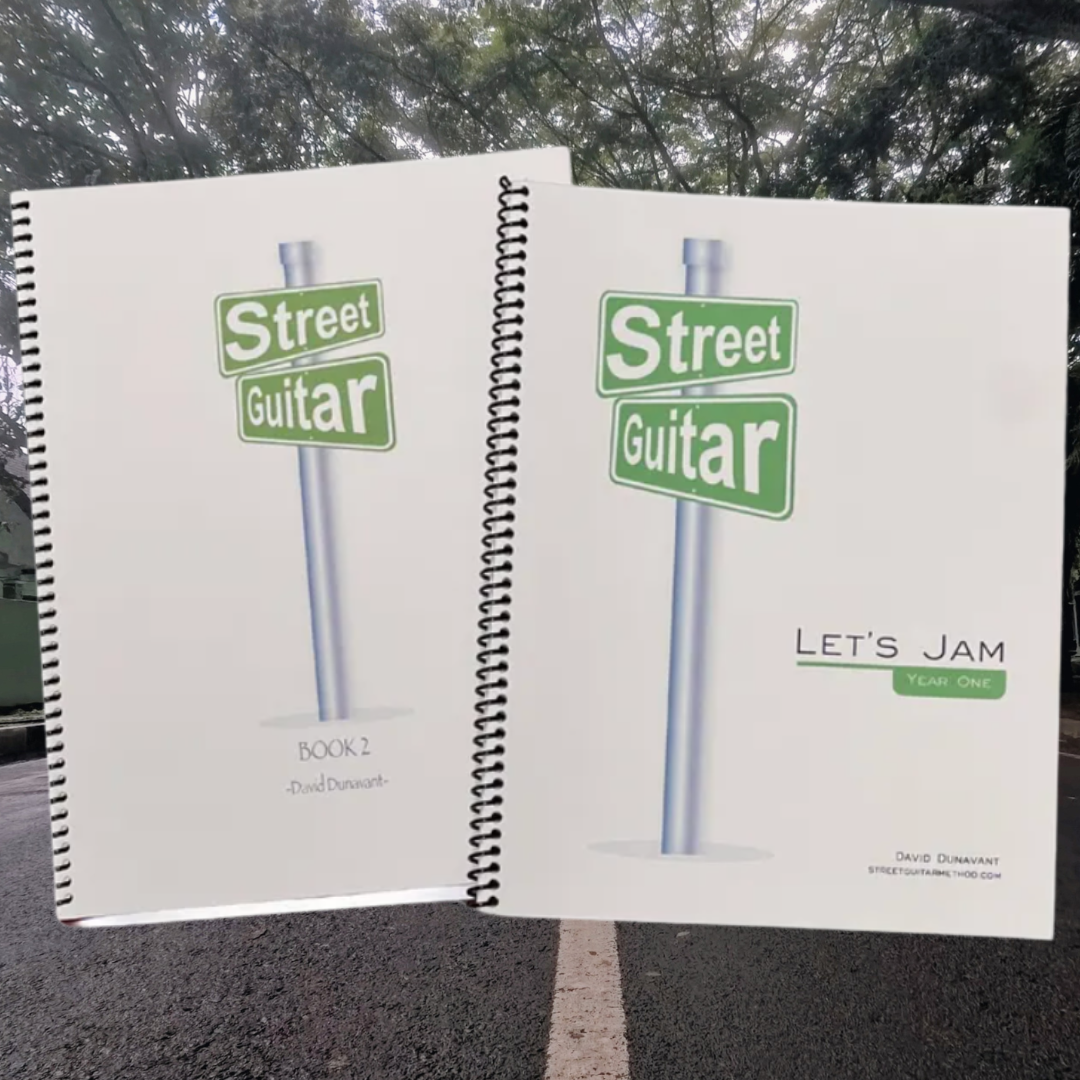
Discover Street Guitar, the superior curriculum for adults and talented teens. Get academic-level guitar instruction in Little Rock from David Dunavant, M.M.